
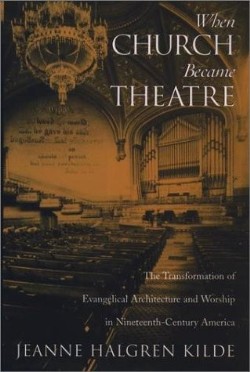
When Chruch Became Theatre
$175.00
For nearly eighteen centuries, two fundamental spatial plans dominated Christian architecture: the basilica and the central plan. In the 1880s, however, profound socio-economic and technological changes in the United States contributed to the rejection of these traditions and the development of a radically new worship building, the auditorium church. When Church Became Theatre focuses on this radical shift in evangelical Protestant architecture and links it to changes in worship style and religious mission.
The auditorium style, featuring a prominent stage from which rows of pews radiated up a sloping floor, was derived directly from the theatre, an unusual source for religious architecture but one with a similar goal-to gather large groups within range of a speaker’s voice. Theatrical elements were prominent; many featured proscenium arches, marquee lighting, theatre seats, and even opera boxes.
Examining these churches and the discussions surrounding their development, Jeanne Halgren Kilde focuses on how these buildings helped congregations negotiate supernatural, social, and personal power. These worship spaces underscored performative and entertainment aspects of the service and in so doing transformed relationships between clergy and audiences. In auditorium churches, the congregants’ personal and social power derived as much from consumerism as from piety, and clerical power lay in dramatic expertise rather than connections to social institutions. By erecting these buildings, argues Kilde, middle class religious audiences demonstrated the move toward a consumer-oriented model of religious participation that gave them unprecedented influence over the worship experience and church mission.
in stock within 3-5 days of online purchase
SKU (ISBN): 9780195143416
ISBN10: 0195143418
Jeanne Kilde
Binding: Cloth Text
Published: July 2002
Publisher: Oxford University Press
Print On Demand Product
Related products
-

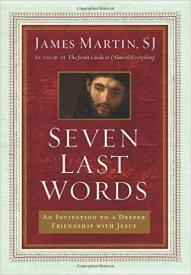
7 Last Words
$18.99Based on his talks at New York’s St. Patrick’s Cathedral on Good Friday 2015, the New York Times bestselling author and editor at large of America magazine offers a portrait of Jesus, using his last words on the cross to reveal how deeply he understood our predicaments, what it means to be fully human, and why we can turn to Christ completely, in mind, heart, and soul.
Each meditation is dedicated to one of the seven sayings:
*”Father, forgive them, for they do not know what they do.”
*”Today you will be with me in Paradise.”
*”Woman, this is your son” . . . “This is your mother.”?
*”My God, my God, why have you forsaken me?”?
*”I thirst.”?
*”It is finished.”?
*”Father, into your hands I commend my spirit.”With the warmth, wisdom, and grace that infuse his works, Father James Martin explains why Jesus’s crucifixion and death on the cross is an important teaching moment in the Gospels. Jesus’s final statements, words that are deeply cherished by his followers, exemplify the depth of his suffering but also provide a key to his empathy and why we can connect with him so deeply.
Add to cart1 in stock
-
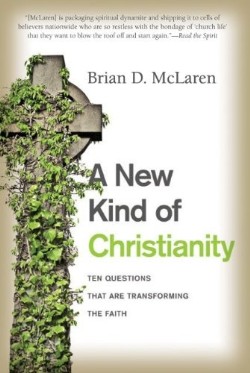
New Kind Of Christianity
$16.99After the hailstorm of controversy stirred up by the hardcover, we hope the paperback release keeps the debate going. One of the most innovative Christian voices today and author of the controversial A New Kind of Christian faces head-on the questions that will determine the shape of the faith for the next 500 years.
Add to cart1 in stock (additional units can be purchased)
-
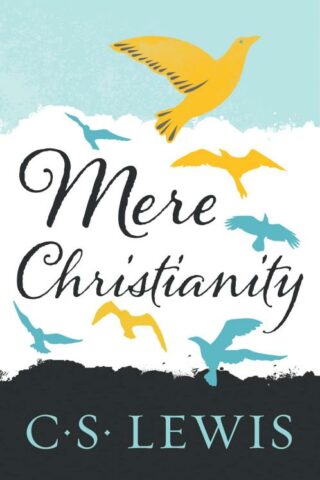
Mere Christianity
$17.99Arguably the 20th century’s most influential Christian writer, C.S. Lewis sought to explain and defend the beliefs that nearly all Christians at all times hold in common. His simple yet deeply profound classic, originally delivered as a series of radio broadcasts, is a book to be thoroughly digested by believers and generously shared with skeptics. Paperback with French f laps and deckled page edges.
Add to cart7 in stock (additional units can be purchased)
-
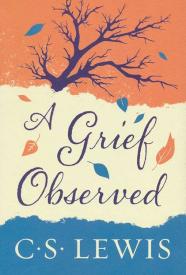
Grief Observed
$17.99Written by C. S. Lewis with love and humility, this brief but poignant volume was first published in 1961 and courageously encounters the anger and heart-break that followed the death of his wife, an American-born poet, Joy Davidman. Handwritten entries from notebooks that Lewis found in his home capture the doubt and anguish that we all face in times of great loss. He questions his beliefs in this graceful and poignant affirmation of faith in the face of senseless loss.
Add to cart1 in stock

Reviews
There are no reviews yet.